Toss the Turtle
About This Game
Toss the Turtle
1. Introduction
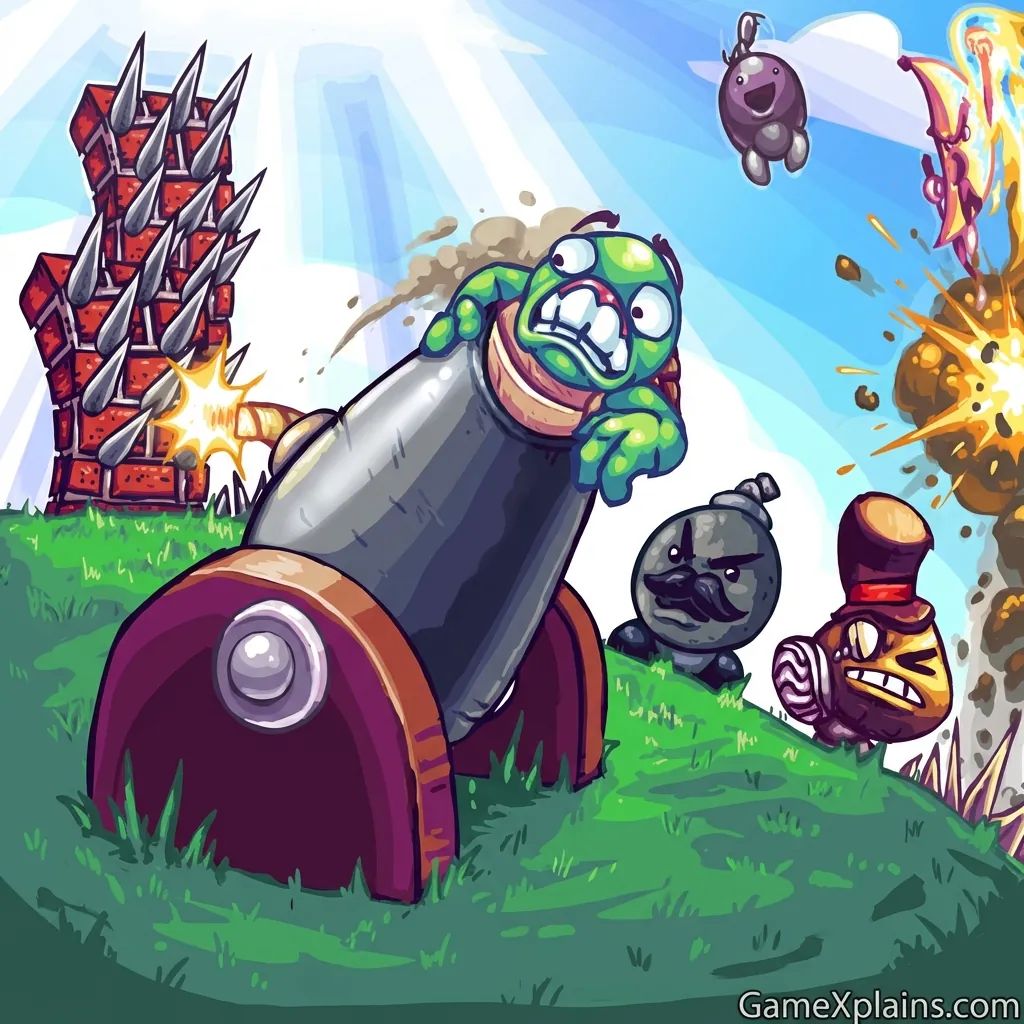
Toss the Turtle is a physics distance-launch online/browser game where you fire a turtle from a cannon, then use timed boosts, shots, and bounces to stretch your run as far as possible. It looks simple, but the score comes from repeatable decisions: the launch angle you choose, the moment you spend a tool, and the upgrade you buy between attempts.
Play Now: Start a run in Toss the turtle online, then use this guide to turn your next few attempts into consistent personal bests.
Many modern portals present it as an HTML5 game port of the older Toss the turtle flash game, so saving, ads, and upgrade pacing can vary slightly across versions. fileciteturn0file0
2. Key Features
Fast attempt loop: launch, bounce, spend cash, and immediately retry to improve.
Physics-driven distance with momentum loss on steep impacts and bad landing angles.
Midair tools create risk-reward decisions with limited uses or timing windows.
Progression from upgrades that typically persist across attempts in the same session.
Works well as a free physics game because each run teaches a testable lesson.
Simple inputs make it a strong online/browser game for quick sessions with no download.
3. What is Toss the Turtle?
Toss the Turtle is an arcade-style launch runner: your role is the “launcher” who sets the starting angle and then manages momentum while the turtle travels. The core loop is: fire, extend, earn money, upgrade, repeat. It plays like a free physics game built around energy conversion, where height, speed, and bounce angles trade off every second.
The tactical dynamic is timing. The game rewards holding your best tool until it will convert into horizontal distance, rather than spending it the moment you can. Compared to many launchers, this one leans into “momentum management” through tools and terrain, which is why small optimizations can beat a lucky bounce over time. If you are comparing versions like Toss the Turtle 2 or Super Toss the Turtle, you will usually see the same loop with slightly different upgrade costs or tool behavior.
4. How to Play
Objective and fail state
Your objective is maximum distance. You begin by aiming the cannon and firing the turtle. After launch, the turtle flies, hits the ground, bounces, and eventually loses enough forward motion to stop. In most versions, the run effectively ends once movement stalls or repeated impacts kill momentum, then you receive money based on performance.
This makes it a clean online/browser game loop:
You “win” by setting a new best distance and building an upgrade path that feels stable.
You “lose” by burning tools too early, crashing into steep terrain, or landing in a way that drains speed immediately.
You progress by spending money on better launch power, stronger tools, and efficiency upgrades.
Controls
The exact buttons can vary, but most browser versions use a single activation input plus mouse aiming. This is the only table in the guide, so you can reference it quickly.
Action | Mouse/Keyboard | What it does |
|---|---|---|
Aim/Angle | Mouse movement | Sets cannon angle before firing |
Fire | Click or Space | Launches the turtle |
Use midair tool | Click or Space | Activates your equipped weapon or boost |
Pauseetry/Next attempt | On-screen button | Starts the next launch after results |
Micro cue: If your first bounce pops nearly straight up, lower the angle next attempt because vertical height rarely converts into long distance.
Micro cue: If you hear repeated “thuds” with tiny hops, you are losing speed to steep impacts, adjust angle and save a tool for a cleaner descent.
5. Core Gameplay Mechanics
1) Main system (distance and momentum) When you choose a launch angle, the game converts that initial velocity into flight time plus ground bounces. Each impact transfers energy, and steep landings usually bleed more speed than shallow skims. When you activate a midair tool, you spend a limited resource (ammo, cooldown, or charges) to add speed or extend airtime. The best runs keep momentum smooth.
2) Tactical dynamics (timing windows) When you see the turtle descending with solid forward speed, do a late activation so your tool pushes distance instead of fighting gravity. When your speed is collapsing and the next landing will be a dead stop, do the opposite: activate sooner as a rescue to avoid losing your run. One strong run is usually a sequence of one rescue plus one extension.
3) Progression and scaling (how upgrades change the run) When you buy early upgrades, you stabilize the opening and make your first bounce travel farther, which increases the cash you earn. As you scale up, faster speeds make timing windows tighter: a tool used half a second too early can waste its force. Some versions add more upgrade tiers or different pricing, which is why “best” choices are often stage-dependent.
4) Key elements (resources, hazards, and end conditions) When hazards like spikes, mines, or rough terrain show up (common in many versions), treat them as momentum traps rather than instant game-overs. Your key resources are money per attempt, tool uses, and the short time before friction and bad landings stop you. If you must choose, protect speed first, distance follows.
Decision Flow (Quick Win Rule) Start run Is launch angle too steep? Yes -> Lower angle -> Aim for long first bounce No -> Are you losing speed fast? Yes -> Use tool earlier -> Stabilize next landing No -> Save tool -> Activate near descent
6. Strategies
Shallow First Bounce Aim for a launch that produces a long, low first bounce instead of a tall arc. This preserves horizontal velocity and makes your later activations more effective. It works because shallow landings waste less energy than steep drops. Warning: too low can cause an immediate ground slam that ends the run.
Descent-Timed Boost Hold your strongest boost or shot until the turtle is clearly descending while still moving forward. This pushes the run outward instead of upward, which is usually better for distance. It works because gravity is already pulling you down. Warning: wait too long and you may not get enough airtime for the push to matter.
Momentum Rescue Shot Use a tool early only when the turtle’s speed is collapsing and the next impact will stop you. Treat it like a safety valve, not your default. This works because preventing a full stop often adds multiple extra bounces. Warning: repeated rescues waste charges, you need at least one tool saved for extension.
Upgrade the Bottleneck Spend money on the thing that ends your runs most often, not the thing that sounds coolest. If you stop early after the first impact, upgrade launch power or early stability. If you reach a long midgame and stall, improve tool efficiency. Warning: spreading cash evenly feels safe but can slow progress.
Angle Feedback Loop After every attempt, make one controlled change. If you clip hazards or crash into steep slopes, adjust the angle slightly and watch the first bounce distance. This works because the opening sets the whole run’s pacing. Warning: changing both angle and tool timing at once makes it hard to learn what helped.
Tool Discipline Plan Label your uses: one for rescue, one for extension, and one as a flex slot if your version allows more charges. This keeps your decision-making consistent, which is ideal for a free physics game you improve through repetition. Warning: if a version uses cooldowns, panic activations can lock you out right before a key descent.
7. Similar Games
Learn to Fly – Upgrade-driven launches with more controlled midair pacing.
Kitten Cannon – Quick distance attempts built around simple timing.
Flight of the Hamsters – Bouncy physics launches that reward planning.
8. FAQ
How to play toss the turtle?
You play by aiming the cannon, firing, then timing your midair tool to keep momentum going. Most versions end the run when forward motion is gone, then you spend earned money on upgrades. For better distance, keep the first bounce shallow and use your strongest activation during a fast descent.
What is the game where you throw a turtle?
Toss the Turtle is the well-known game where you launch a turtle from a cannon and chase maximum distance. You extend runs by using boosts or weapons midair and by buying upgrades between attempts. Some variants are labeled Toss the Turtle 2, but the basic launch loop is usually the same.
What is the best gun in toss the turtle?
The best gun depends on version and your current stage. In many builds, a “best” gun is the one that gives reliable forward speed without ruining your landing angle. Early game, consistency is stronger than burst. Late game, pick the tool that extends long descents most efficiently.
How much does the gold cannon cost in Toss the Turtle?
There is no single verified price because costs vary by release, portal, and platform. In most versions, the gold cannon is a high-tier upgrade that becomes reasonable only after you consistently earn strong midgame distance. If it feels far away, invest in the upgrade that currently ends your runs.
Who made Toss the Turtle?
Credits can differ by release and storefront. If you are searching for Toss the Turtle creator or Toss the Turtle artist information, check the credits screen or store listing for the specific version you are using. The Toss the Turtle Steam page, for example, may present developer and art credits differently than browser ports.
Is Toss the Turtle a browser game or a download?
Many players encounter it as a free physics game on an online/browser game portal that typically requires no download. Other versions are packaged as apps or PC releases, such as Toss the Turtle Steam, which install normally. Either way, the same timing principles apply, even if saving and ads vary.
9. Technical
Toss the Turtle is commonly available as an HTML5 game (and may use WebGL depending on the site) that runs in modern browsers like Chrome, Firefox, Safari, and Edge. As an online/browser game, it should run smoothly on most mid-range devices, but long runs and effects can stress low-end hardware.
Controls are usually mouse plus a single activation input (click or Space), and many versions work on touch as well. If you are playing in-browser, it is often no download, but store versions are installed like normal apps. If audio stutters, close other heavy tabs, and reduce effects if a settings menu exists.
10. Final Verdict
Toss the Turtle is a crisp physics launcher with a satisfying upgrade loop. It works well as a free physics game because every attempt teaches a measurable improvement, like landing shallower or saving a tool for descent. Its main limitations are version differences and occasional chaos from bounces and hazards.
If you want more fast, replayable challenges, explore Arcade.
If you enjoy timing-based optimization in an online/browser game, explore Skill.
If you are looking up specific builds, keywords like Toss The Turtle foxcns, Toss the Turtle 2, or Super Toss the Turtle can help you find the version you mean. Either way, most browser ports are designed for quick play with no download, so run a few attempts, change one variable, and watch your distance climb.
Comments (0)
No comments yet. Be the first to share your thoughts!